
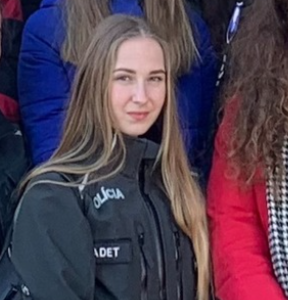
Cadet

A cadet is an entry-level police officer who has met all legal requirements and successfully passed both psychological and physical tests. From that moment, she becomes a police cadet. She is admitted to training that is essential for future service, as it prepares women not only for legal duties but also for real-life situations in the field. Becoming a cadet is therefore far from easy. Only applicants who meet strict criteria are accepted into the basic cadet programme.
What does this several-month training programme look like?
1. Selection and admission process
Becoming a cadet is not easy. An applicant must:
- have completed at least secondary education, often at a school ending with a school-leaving examination, or hold a university degree
- successfully pass entrance tests assessing physical fitness, logical thinking, memory, and basic legal knowledge
- undergo psychological and medical examinations to verify the ability to cope with stress and work in crisis situations
Only applicants who meet all criteria are admitted to the basic cadet programme.
2. Structure of cadet training
Cadet training usually lasts several months and includes a combination of theoretical and practical education:
a) Legal foundations
- criminal and administrative law
- the Act on the Police Force
- traffic regulations and road safety rules
- legislation related to intoxicating substances, alcohol, and inspections
b) Practical skills
- patrol duties and public order control
- intervention during traffic accidents and minor offences
- documentation and recording of offences
- use of cameras, radar devices, service firearms, and other technical equipment
c) Firearms training
- handling a service pistol and other equipment
- safe use of firearms during lawful interventions
- simulations of high-risk situations
d) Physical and psychological preparation
- fitness training and self-defence
- stress management and decision-making in crisis situations
- teamwork and communication skills
e) Specialised training
- traffic control and speed measurement
- intervention techniques when dealing with suspicious persons
- crime prevention and work with children and young people
3. Practical field experience
After completing training, the cadet enters active service under the supervision of experienced female and male police officers. During this stage:
- she takes part in real patrol duties
- learns how to properly document offences and criminal acts
- gains experience during traffic checks, interventions, and preventive operations
- develops decision-making skills in unpredictable situations
Source: Facebook Polícia Slovenskej republiky, minv.sk
Leave a Reply